| |
 |
| |
|
|
|
In This Issue
"Home is the place where, when you have to go there, they have to take you in." - Robert Frost
What to Watch: October could bring a meaningful test for the interest-rate outlook as markets weigh inflation, employment, Federal Reserve policy, Treasury demand and global developments.
Housing: If you're struggling to find the perfect home, building might start to sound appealing. Here's what to ask yourself before buying a vacant lot.
Home Improvement: When severe weather strikes and the power goes out, a generator can be a lifesaver. But do you need a whole-home setup? Find out before the next big storm hits.
Q&A: Are you waiting until you have the perfect credit score before putting in an offer on your dream home? You might be surprised at how much mortgage requirements vary.
|
| |
|
What to Watch

Mortgage Market Outlook: The Key Rate Drivers to Watch in October
October begins with financial markets entering the final quarter of the year with interest rates, inflation expectations and economic growth still competing for attention. After months of shifting expectations, investors will be looking for signs that can provide greater clarity on the direction of monetary policy and Treasury yields. For the mortgage market, the key question remains whether the bond market can build on any improvement in rates without being derailed by renewed inflation concerns.
The Federal Reserve will remain an important influence, but markets will be paying close attention to how policymakers respond to the latest economic information rather than simply focusing on the level of the federal funds rate. Any change in expectations surrounding future policy could quickly move Treasury yields and mortgage-backed securities, creating opportunities as well as challenges for borrowers and lenders.
The labor market will deserve particular attention as investors assess whether economic growth is maintaining enough momentum to support employment. Hiring, wages and unemployment trends can influence both consumer confidence and expectations for future Fed policy. A labor market that continues to cool gradually could support lower yields, while signs of renewed strength could make investors more cautious about the path of rates.
Inflation will remain another critical piece of the puzzle. Markets will continue to watch consumer and wholesale price data for evidence of whether price pressures are becoming more manageable. Energy prices will be especially important because changes in crude oil can quickly influence inflation expectations and add another layer of uncertainty to the interest-rate outlook.
Treasury market conditions will also be worth watching closely. Investor demand for government debt, upcoming auctions and the overall supply of Treasury securities can influence yields independently of economic reports. Strong auction demand can provide support for bonds, while weaker demand can put additional upward pressure on yields.
Housing data will provide an important real-world look at how consumers are responding to current financing conditions. Home sales, housing starts, permits and other housing indicators will help reveal whether buyers are becoming more active as conditions evolve or continuing to remain cautious. The relationship between mortgage rates, home prices and monthly payments will remain central to the housing outlook.
Financial markets will also be sensitive to developments outside the traditional economic calendar. Geopolitical events, energy markets, fiscal policy and changes in investor sentiment can all produce rapid moves in Treasury yields and mortgage bonds. These developments can sometimes have a greater immediate impact on mortgage pricing than scheduled economic reports.
Takeaway: October could bring a meaningful test for the interest-rate outlook as markets weigh inflation, employment, Federal Reserve policy, Treasury demand and global developments. For mortgage professionals, staying focused on the bond market and reacting to changes in market conditions will be just as important as watching the economic calendar.
Source: Mortgage Market Guide
|
| |
|
Housing News

Buying Land vs. Buying an Existing Home: What To Know Before You Build
Does it feel like you've been house hunting for ages? If you're struggling to find the right property, you might be wondering whether it's easier to just build it yourself. Before you swap your stack of home listings for vacant lots, ask yourself these two questions to decide whether buying land or buying an existing home is the best move.
How much control do you want over your home design?
Building gives you the opportunity to choose a floor plan, pick out the finishing touches, and hand-select everything in between. For some buyers, this level of customization is a dream. For others, having to make decision after decision can be overwhelming. Of course, if you purchase an existing home, you'll need to compromise. The kitchen might not be exactly your style, the layout might not flow exactly how you'd prefer, and you might uncover issues that mean you have to prioritize repairs before remodeling.
How flexible is your budget?
A common trap buyers fall into is comparing the price of an empty lot with the price of an existing home. There's a lot more you'll need to factor in to decide which option best fits your budget. While buying land might seem like the cheaper option at first, expenses can quickly escalate. Additional costs might include grading, utilities, sewer lines, or other site work that's already been covered on pre-built homes. You might also come across issues with zoning requirements, permits, and surveys that affect where (and what) you're able to build.
How concrete is your timeline?
If you have a firm move-in date and plan to build, you'll want to make sure you have plenty of buffer room. Construction timelines often shift based on permits, weather, design changes, and access to materials. On the other hand, moving into an existing home can speed up the process and provide a more predictable closing date.
Still debating whether buying land or buying an existing home is the better choice? There might be a middle ground option. Look for established developments offering custom designs. You might be able to pick from a selection of pre-approved layouts and customize the features that matter most. Discuss your options with your real estate agent, lender, and a reputable builder in your area. They can help you understand what financing, site requirements, and timelines look like for different properties before you commit.
Sources: Nar.realtor, Scottlerew.com, ubh.com
|
| |
|
Home Improvement
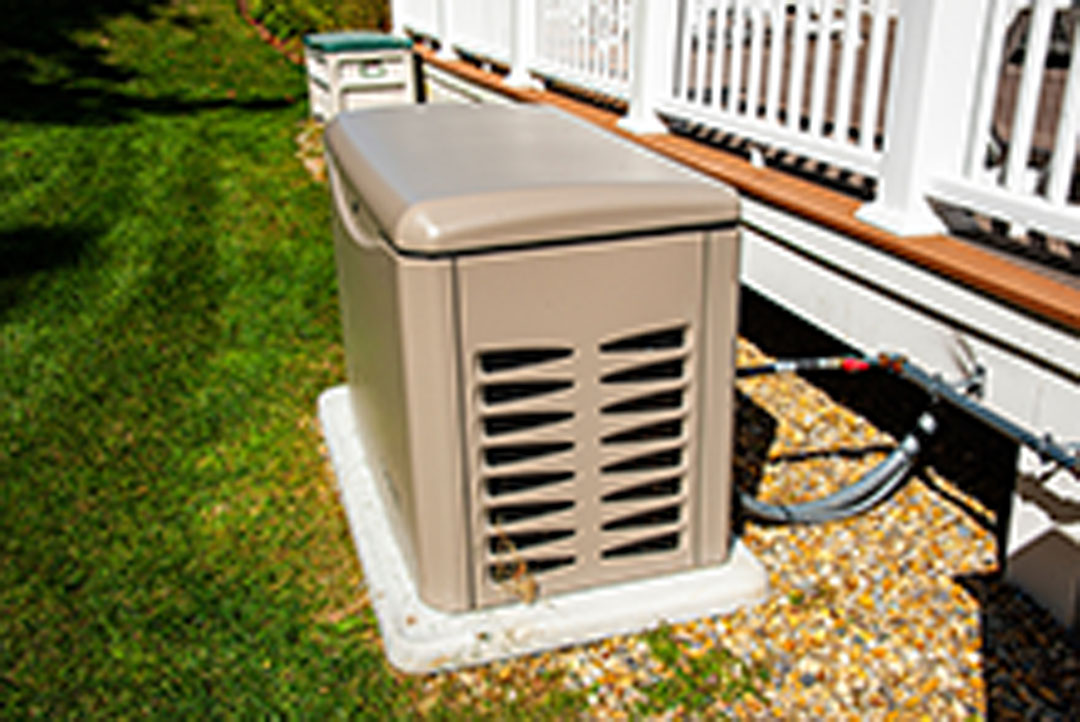
Whole-Home Generators: Are They Worth the Investment for Storm-Prone Areas?
Have you ever had severe weather knock out power in your area for hours (or days) at a time? If so, you know just how frustrating it can be to wonder when the lights will come back on. For some property owners living in storm-prone areas, a whole-home generator might be a wise investment. Find out how much backup power your household really needs with these simple questions.
How often do you lose power in your area?
And for how long? If outages are rare in your area or only last for a couple of hours at a time, purchasing a whole-home generator might be excessive. Consider a portable generator or power station instead. There are plenty of gas and solar options available. Conversely, if you deal with frequent storms or outages that seem like they'll never end, having a reliable backup power source can make the whole experience more comfortable.
What appliances and devices need to stay powered?
And how important are they? If you have medical equipment that needs to keep running, investing in a whole-home generator suddenly makes a lot of sense. Some other systems you might want to prioritize keeping on include refrigerators and freezers, heating and cooling systems, your sump pump, and security system. However, it's worth doing a little math to estimate how much electricity these devices actually use. You might find that a whole-home generator provides more power than you need and that a portable alternative will get the job done just fine.
Does the overall cost make sense?
At the end of the day, your decision may very well come down to budget. As you compare options, make sure to include installation and maintenance expenses for a whole-home setup. Add these costs to the price of the generator itself. Then consider the financial repurcussions of an extended power outage. Spoiled food, frozen pipes, and water damage can accumulate fast. And of course, your peace of mind is worth factoring in, too.
If a whole-home generator still seems like a necessity, research qualified installers in your area. Read online reviews and request multiple quotes before you choose who to work with. A professional can help you assess your power needs and choose the appropriate generator size for your property.
Sources: Mensjournal.com, Kohlerhomeenergy.rehlko.com
|
| |
|
Q & A
Q&A: What Credit Score Do I Really Need To Buy a Home, and How Much Does It Affect My Interest Rate?
The exact credit score you need to buy a home will vary depending on the mortgage type and lender you choose. Other factors, like your income, debt, and down payment, also play a role, but there are a few general figures you can use to figure out where you stand. Minimum credit scores for conventional loans usually hover between 620 and 660. FHA loans are more accessible, with some lenders approving scores as low as 500 under the right conditions.
Other options, such as VA and USDA loans, don't have federally regulated credit scores. If you're interested in one of these options, it's best to reach out to your loan officer to get a better understanding of the individual requirements. Qualifying is just one piece of the puzzle, though. The stronger your credit score is, the easier it will be to secure favorable mortgage terms and a lower interest rate.
Keep an eye on your credit score and, if necessary, work on improving it before applying for loans. Taking a little extra time to improve your financial standing now could save you thousands over the lifespan of your mortgage.
Sources: Zillow.com, Myfico.com
|
| |
| |
|
|
|
|
|
|
|
|
©2026 Tabrasa, LLC. All rights reserved.
|
Our records indicate that Megastar Financial Corp may contact you by email to send you relevant and timely information.
To opt-out of receiving additional promotional emails from Megastar Financial Corp, please click the link below. Megastar Financial Corp Jeff Johnson 14205 SE 36th St Ste 100 Bellevue, WA 98006
|
| |
| |
|
|
|
|